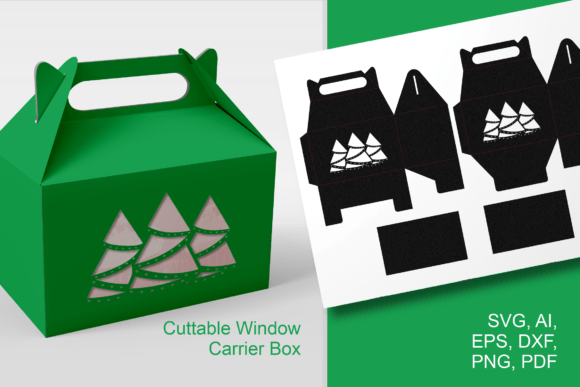
Review: X-mas Trees Candy Box Template
As a graphic designer who has spent the better part of a decade refining brand identities and packaging for small businesses, I have learned that the difference between a good product and a great one often lies in the details of its presentation. Recently, I was tasked with developing a seasonal campaign for a boutique confectionery client looking to expand their holiday lineup. The brief was specific: create a packaging solution that felt handmade yet professional, whimsical yet structured. This is where the X-mas Trees Candy Carrier Box Template entered my workflow. After putting this asset through its paces in a real-world client project, I want to share my honest assessment of its utility, aesthetic value, and technical performance for fellow designers, brand owners, and creative entrepreneurs.
First Impressions and Visual Mood
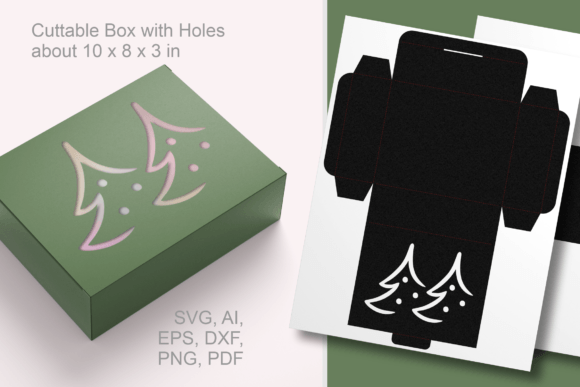
When I first opened the files for the X-mas Trees Candy Carrier Box Template, the immediate impression was one of charming structural simplicity. In the world of packaging design, complexity can often be the enemy of execution. Many templates offer intricate cut lines that are a nightmare to align during printing or assembly. This template, however, strikes a balance. The visual mood is distinctly festive without being overly cluttered. It evokes the warmth of traditional Christmas celebrations, leaning into a nostalgic, cozy aesthetic that resonates well with consumers looking for authentic, handmade business quality.
The design elements suggest a style that fits seamlessly into the current trend of "modern rustic" branding. It is not overly corporate, nor is it too childish. This versatility makes it an excellent candidate for a wide range of clients, from local bakeries selling holiday treats to Etsy sellers launching a new line of artisanal gifts. The silhouette of the tree provides a strong central anchor, allowing the designer to play with color palettes and typography around a stable, recognizable form.
Performance in Real Design Scenarios
In practical application, I tested this graphic design asset across several mediums to gauge its flexibility. For the primary client project, we used it as the foundation for a limited-edition cookie box. The template performed exceptionally well here. Because the structure is clear, it allowed us to focus on brand identity elements such as logo placement and tagline integration without fighting against confusing die-lines.
Beyond physical packaging, I explored how this asset could translate into digital spaces. For social media graphics, the tree shape serves as a fantastic frame for product photography. I created a series of Instagram posts where the candy box was featured in the center, surrounded by negative space that highlighted the product’s texture. This approach works wonders for marketing visuals because it creates a natural focal point. Additionally, for clients who utilize Canva templates, this type of structured design is easy to adapt. You can swap out colors to match specific brand guidelines, making it a versatile tool for small business branding.
For those in the print-on-demand or Cricut project niche, the potential is significant. If the template includes vector files, it becomes a powerful resource for creating custom stickers, tote bags, or even t-shirt designs. The clean lines of the tree motif translate well to vinyl cutting, provided the details are not too fine. As a digital product seller, offering this as part of a larger design bundle could add substantial value to your shop, appealing to crafters who need ready-to-use structures for their holiday creations.
Strategic Placement and Visual Hierarchy
Understanding where to place this asset is crucial for maintaining visual hierarchy. The X-mas Trees Candy Carrier Box Template works best when given room to breathe. It shines in large layout areas, such as the front panel of a box or as a hero graphic on a landing page. When used as a decorative accent in a crowded layout, it risks getting lost. I found that it performs optimally when treated as the primary subject, with supporting elements like text or secondary illustrations kept minimal.
However, there are contexts where this asset should be used with caution. It is not ideal for minimalist corporate materials where strict geometric precision is required. Similarly, in low-contrast designs or on complex, busy backgrounds, the edges of the tree shape may blur, reducing the overall professionalism of the piece. For projects requiring very clean visual hierarchy, ensure that the background contrasts sharply with the box design. If you are using this for editorial design or web banners, avoid placing critical text over the most detailed parts of the tree illustration to maintain readability.
Impact on Brand Perception and Trust
A well-executed package does more than hold a product; it builds trust. Using a polished template like the X-mas Trees Candy Carrier Box Template signals to the customer that the brand cares about presentation. This attention to detail enhances emotional appeal and audience engagement. In my client’s case, the cohesive look of the packaging helped elevate their perceived value, allowing them to price their holiday bundles at a premium. Consistency in using such design assets across all touchpoints—from the physical box to the Pinterest pins promoting it—reinforces brand recognition and professionalism.
Practical Designer Notes and Technical Checks
Before committing this template to a final client deliverable, I always run a series of technical checks. Here is my recommended workflow for anyone using this or similar commercial design assets:
- Test in Black and White: Strip away the color to ensure the structure holds up. If the design relies solely on color to define its shape, it may fail in single-color printing scenarios.
- Check Contrast: Preview the design on both light and dark backgrounds. Ensure that any text or key details remain legible regardless of the backdrop.
- Scale Testing: Zoom in to 400% to inspect line quality, then zoom out to thumbnail size to see if the shape remains recognizable. This is vital for sticker design and small Etsy product images.
- File Format Inspection: Confirm whether you are working with an SVG design or a PNG design. For cutting machines like Cricut or Silhouette, SVG is essential for editable paths. For digital mockups, high-resolution PNGs with transparency are key.
- Typography Pairing: Experiment with different font styles. I found that a bold sans serif font worked well for modern brands, while a script font added a touch of elegance for more traditional clients. Avoid overly decorative display fonts that might clash with the intricate details of the tree.
- Licensing Verification: Always double-check the commercial license terms. Ensure you have the right to use the asset for client work or resale, especially if you are creating sublimation design products or physical goods for sale.
Final Verdict for Creative Professionals
The X-mas Trees Candy Carrier Box Template is a solid addition to any designer’s toolkit for the holiday season. It offers a blend of festive charm and structural practicality that is hard to find in free resources. For content creators, bloggers, and publishers looking to add a seasonal touch to their visuals, this asset provides a quick yet professional solution. For small business owners and crafters, it reduces the time spent on technical drafting, allowing more focus on creativity and marketing.
While it requires careful handling regarding contrast and layout density, its versatility across web design, product mockups, and physical packaging makes it a worthwhile investment. By integrating this creative design element thoughtfully, you can enhance the overall impression of your project, delivering a result that feels both polished and personally crafted. Whether you are designing for a local event or a global online launch, this template supports a narrative of warmth and quality that resonates deeply during the Christmas season.